Darknet Markets 2026:
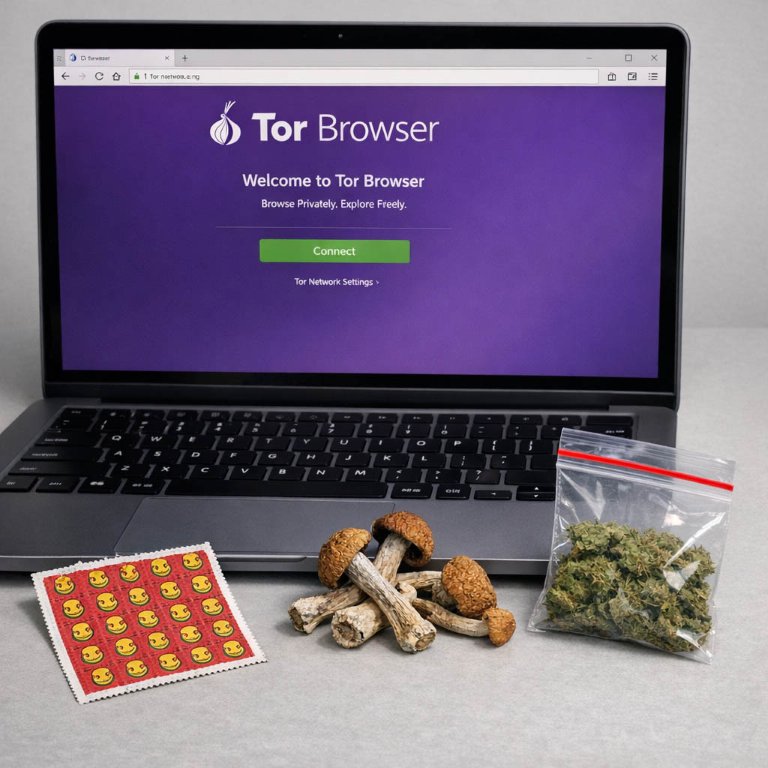
The dark web is part of the deep web but is built on darknets: overlay networks that sit on the internet but which can't be accessed without special tools or software like Tor. Tor is an anonymizing software tool that stands for The Onion Router — you can use the Tor network via Tor Browser.
| Darknet Market | Established | Total Listings | Link |
|---|---|---|---|
| TorZon Market | 2022 | 140+ | Onion Link |
| Nexus Market | 2024 | 600+ | Onion Link |
| Abacus Market | 2022 | 100+ | Onion Link |
| Ares | 2026 | 100+ | Onion Link |
| Cocorico | 2023 | 110+ | Onion Link |
Updated 2026-10-25
How Privacy Tech Makes Global Trade on Darknets Easy and Secure
The operational landscape of darknet markets in 2025 is defined by a mature ecosystem that prioritizes user security and transactional simplicity. The integration of advanced cryptocurrency mixing and privacy-centric coins has become standard, effectively obfuscating financial trails and providing a robust layer of anonymity for all parties. This technical evolution directly supports a globalized trade environment where geographical barriers are minimal.
This foundation of enhanced privacy facilitates a commercial space where trusted vendors can establish long-standing reputations. Vendor rating systems and detailed feedback mechanisms are more sophisticated, allowing for informed consumer choice and consistent quality assurance. The process from product selection to final delivery is streamlined through intuitive interfaces and automated systems, making secure trade remarkably straightforward.
- Automated, multi-signature escrow systems securely hold funds until order fulfillment, minimizing fraud.
- Decentralized hosting and open-source code contribute to market resilience and operational transparency.
- Direct, encrypted communication between buyer and seller ensures clear terms and dispute resolution.
The result is a self-regulating economic model where security protocols and community feedback mechanisms work in tandem to create a reliable trading platform. The focus on cryptographic privacy and vendor accountability has simplified the process of conducting anonymous commerce, making it an accessible and standardized practice for its users.
Safer Darknet Trading with Better Coin Mixing
The evolution of cryptocurrency mixing services represents a fundamental upgrade for transactional privacy on darknets. Earlier methods, like basic CoinJoin, have been superseded by more robust protocols that integrate zero-knowledge proofs and trustless, non-custodial mixing. These systems break the on-chain link between a user's deposit and withdrawal addresses without requiring a central service to hold the funds, eliminating a critical point of failure.
The operational model is straightforward. A user submits coins to a decentralized pool, which utilizes cryptographic shuffling. The output is clean coins with no verifiable blockchain history connecting them to the input. Modern mixers often incorporate delays and amount randomization to further obfuscate patterns that chain analysis software seeks. This technical progression directly translates to enhanced user safety, as financial footprints are effectively obscured.
For the darknet ecosystem, this means a more secure foundation for all transactions. When buyers and vendors utilize these advanced mixing techniques, they protect not only themselves but also their counterparties by strengthening the entire network's privacy layer. The result is a trading environment where economic activity is sustained with greater anonymity, fostering confidence and stability for all participants engaged in commerce.
How Escrow Makes Darnet Drug Trade Safe and Smooth
The evolution of escrow systems is a central pillar of security on darknet markets in 2025. These platforms have moved beyond simple third-party holding services to implement multi-signature (multisig) escrow as a standard. In this model, the cryptocurrency for a transaction is locked in a wallet that requires two or three digital signatures to release. Typically, the buyer, the vendor, and sometimes the market itself each hold one key. This eliminates the single point of failure represented by a market-controlled central escrow wallet, which was historically vulnerable to exit scams. Funds cannot be seized by any one party, ensuring that a buyer's payment is only released after confirming receipt of the product, while also guaranteeing that a legitimate vendor will be paid for completed orders.
Modern systems integrate escrow directly with decentralized arbitration and reputation-based automation. Disputed transactions are no longer solely adjudicated by anonymous market administrators. Instead, selected panels of highly-rated, long-standing vendors from unrelated product categories review evidence. Their collective decision to release funds to either party is enforced by the multisig protocol. Furthermore, for vendors with consistently perfect feedback scores over thousands of transactions, markets can offer automated finalize-early options. This allows trusted sellers to receive payments faster, improving their operational liquidity, while buyers benefit from the established reliability of these vendors.
The technical implementation prioritizes user-friendliness alongside security. The process is abstracted into a simple interface:
- The buyer initiates an order, and the market software generates a multisig address.
- Funds are sent to this secure, unique address, visible to all parties on the blockchain.
- Upon delivery confirmation by the buyer, their signature releases the funds to the vendor.
- If a dispute arises, the arbitration panel is summoned, and their majority decision executes the release.

More Products and Reliable Sellers on the Darknet
The expansion of product categories on darknets in 2025 directly addresses consumer demand, moving beyond traditional offerings. Markets now feature a broader range of digital goods, luxury items, and specialized pharmaceuticals, providing a more comprehensive trading ecosystem. This diversity is supported by sophisticated vendor shopfronts with detailed product listings, high-resolution images, and comprehensive specifications, mirroring the functionality of mainstream e-commerce platforms.
Vendor trust is established through transparent, immutable reputation systems. Each transaction contributes to a vendor's public feedback score and detailed review history, creating a self-regulating environment. High-tier vendors often utilize multi-signature escrow and offer discreet shipping options, further reducing risk for the buyer. The maturation of these systems means reliable vendors can build long-standing businesses based on consistent quality and service, which in turn stabilizes the entire marketplace. Users benefit from predictable outcomes and reduced transactional uncertainty.
How Decentralized Hosting Keeps Darknet Markets Running Smoothly
The operational resilience of darknet markets in 2025 is fundamentally enhanced by decentralized hosting. Unlike earlier centralized marketplaces that were vulnerable to a single point of failure, modern platforms distribute their infrastructure across a global network of servers, often utilizing technologies like peer-to-peer networks and distributed hash tables. This architecture makes it exceptionally difficult for any external entity to take the entire market offline, ensuring continuous service availability for users.
This stability directly supports secure and anonymous trade by providing a reliable environment for transactions. A consistently accessible market allows buyers and sellers to complete deals without interruption, fostering trust in the system's longevity. The decentralized model also improves security, as there is no central database to compromise; user data and listings are fragmented and replicated across the network. This reduces the risk of large-scale data breaches that previously exposed user identities and transaction histories.
For vendors, this means a dependable storefront. They can maintain their reputation and customer relationships over the long term, which is a cornerstone of becoming a trusted vendor. Buyers benefit from predictable access to their preferred markets and vendor shops, simplifying the entire procurement process. The combination of decentralized hosting with improved cryptocurrency privacy tools creates a robust ecosystem where trade is not only anonymous but also reliably accessible, removing the operational uncertainties that plagued earlier darknet generations.
How Open-Source Code Builds Trust on the Darknet
The operational model of darknet markets in 2025 has fundamentally shifted towards verifiable security, primarily driven by the widespread adoption of open-source code. This development directly addresses the historical issue of exit scams, where market administrators would disappear with user funds. Now, the core software powering a marketplace is publicly auditable by anyone with technical expertise.
This transparency allows for continuous peer review, where independent developers can examine the code for backdoors, vulnerabilities, or fraudulent logic in the escrow and payment systems. A market's reputation is now intrinsically linked to the quality and openness of its codebase. Users can verify that the automated escrow system releases funds to a vendor only upon confirmed delivery, and that the cryptocurrency mixing processes are implemented correctly without hidden traps for fund seizure.
The practical effect is a stronger, more resilient trading environment. Trust is no longer placed blindly in anonymous administrators but is distributed across the code itself and the community that reviews it. This technical foundation supports the broader ecosystem goals of secure transactions and better cryptocurrency privacy, as the mechanisms guaranteeing these features are no longer a black box. Markets utilizing robust, open-source frameworks experience greater stability and user confidence, which in turn attracts more trustworthy vendors and contributes to a wider, more reliable product selection for all participants.
Simple Darknet Shopping for Everyone
The evolution of darknet market interfaces by 2025 has removed significant technical barriers, making secure and anonymous trade accessible to a broader demographic. Modern platforms feature clean, intuitive designs that closely resemble those of mainstream e-commerce sites. This standardization reduces user error, which is a critical factor in maintaining operational security. New users can navigate product listings, vendor profiles, and transaction processes with minimal learning curve, fostering a more efficient trading environment.
This focus on usability directly supports the core functions of secure trade. Simplified interfaces integrate essential privacy tools by default. For instance, cryptocurrency mixing or coin-swapping services are often offered as a one-click option during the checkout process, enhancing crypto privacy without requiring user expertise. Similarly, modern escrow systems are automated and clearly explained, building trust between buyers and trusted vendors. The interface clearly displays vendor ratings, shipping statistics, and encrypted communication channels, allowing for informed purchasing decisions based on community feedback and performance history.
The overall effect is a streamlined workflow where security measures are embedded within a user-friendly experience. Key interface improvements include:
- Guided setup for secure wallet connections and PGP key usage.
- Filtered search functions and saved favorite vendors for repeat business.
- Clear transaction status tracking from order to finalization.
- Integrated, anonymized feedback systems that build market reputation.
Consequently, the market's design prioritizes clarity and reliability, enabling users to conduct transactions with confidence. The simplicity of the interface ensures that attention remains on evaluating product quality and vendor reputation, which are the fundamental aspects of a stable trading ecosystem. This democratization of access through design sophistication has been a major driver in the growth and professionalization of darknet commerce.

Easy Access and Smooth Trading on the Darknet
The evolution of darknet markets in 2025 has fundamentally streamlined the process of acquiring goods, transforming it into an activity with a user experience rivaling that of mainstream e-commerce platforms. Access begins with the use of the Tor browser, which provides a straightforward gateway to a network of decentralized marketplaces. Once connected, users encounter interfaces designed for clarity and ease of navigation, featuring intuitive search functions, detailed product categories, and vendor storefronts that present all necessary information at a glance.
Efficiency in trading is achieved through a combination of technological and social frameworks. Automated escrow systems hold cryptocurrency payments securely until the buyer confirms satisfactory receipt of the product, a process that minimizes disputes and builds transactional trust. The integration of advanced privacy-enhancing cryptocurrencies and mixing services ensures that financial movements remain confidential, separating economic activity from personal identity. This financial privacy is a cornerstone of the system's efficiency, as it allows for swift and secure settlements without external interference.
The reliability of trade is further cemented by robust feedback and reputation mechanisms. Every transaction concludes with a rating and review, creating a transparent ledger of vendor performance. This results in a self-regulating ecosystem where trustworthy vendors are easily identifiable by their consistently high ratings and detailed feedback histories. Buyers can make informed decisions quickly, confident in the knowledge that the community collectively verifies product quality and vendor reliability. The entire cyclefrom discovery and ordering to secure payment and feedbackis optimized for speed, security, and simplicity, making anonymous trade a practical and routine endeavor.