Darknet Markets 2026:
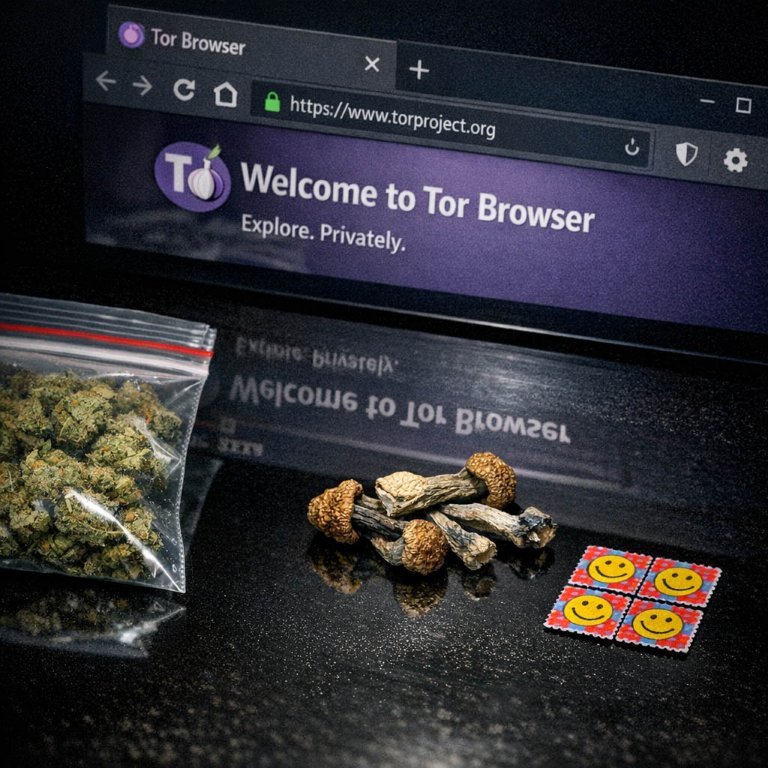
The dark web is part of the deep web but is built on darknets: overlay networks that sit on the internet but which can't be accessed without special tools or software like Tor. Tor is an anonymizing software tool that stands for The Onion Router — you can use the Tor network via Tor Browser.
| Darknet Market | Established | Total Listings | Link |
|---|---|---|---|
| TorZon Market | 2022 | 140+ | Onion Link |
| Nexus Market | 2024 | 600+ | Onion Link |
| Abacus Market | 2022 | 100+ | Onion Link |
| Ares | 2026 | 100+ | Onion Link |
| Cocorico | 2023 | 110+ | Onion Link |
Updated 2026-10-25
Bitcoin's Early Use on the Darknet for Reliable Trade
The emergence of Bitcoin provided a foundational element for the development of efficient digital marketplaces on the darknet. Its design directly addressed the primary logistical challenges of remote, private commerce. The decentralized and pseudonymous nature of the Bitcoin blockchain allowed for the transfer of value without relying on traditional financial intermediaries, which were incompatible with the privacy requirements of these markets.
This synergy enabled a marketplace model that prioritized operational smoothness and user discretion. Transactions could be conducted peer-to-peer with a public record that obscured real-world identities. The system introduced structured processes for escrow, vendor ratings, and community feedback, which established a framework for accountability and quality assurance previously absent from such trade. The resulting environment demonstrated that a self-regulating digital marketplace could function effectively, using its native cryptographic tools to manage trust and facilitate exchange.
How Bitcoin's Privacy Made Darknet Trade Work
The integration of Bitcoin into darknet marketplaces created a uniquely efficient framework for digital commerce. Bitcoin's pseudonymous nature was fundamental, as it allowed users to transact without directly linking their real-world identity to their financial activity on the blockchain. This layer of financial privacy was a prerequisite for the ecosystem to function.
This pseudonymity, combined with the darknet's own encryption and routing protocols, enabled a smooth transactional environment. The model addressed clear market demands for discretion and reliability that were not being met by traditional or other digital means. Sellers could establish reputations based on transaction history and community feedback, while buyers could engage in peer-to-peer trade with a reduced risk of personal exposure.
The resulting marketplace demonstrated a functional peer-to-peer economic model. It operated on principles of direct evaluation and iterative improvement, where:
- Escrow services mitigated trust issues between strangers.
- Detailed product listings and vendor ratings provided transparency on quality.
- Encrypted communication protected the content of transactions.
This system proved that a decentralized, privacy-focused market could facilitate efficient trade. The operational success of these platforms provided a practical case study in using cryptographic tools to build resilient digital economies, directly influencing the development of more advanced privacy-centric cryptocurrencies.
How Bitcoin Made Buying and Selling on the Darknet Easier
The integration of Bitcoin into darknet marketplaces addressed fundamental inefficiencies in the traditional trade of pharmaceuticals. Prior systems relied on cash transactions in person, which carried significant logistical risks and limited market reach, or required intrusive financial intermediaries. Bitcoin's peer-to-peer electronic cash system provided a solution by enabling direct, borderless transactions between buyer and seller without a bank or payment processor. This created a smoother operational framework for commerce.
The cryptocurrency's inherent pseudonymity, where transactions are recorded on the public blockchain but linked to alphanumeric addresses rather than real-world identities, offered a layer of financial privacy previously unavailable. This feature was critical for building trust in a marketplace where participants sought discretion. The resulting model demonstrated several functional improvements:
- Transactions could be completed at any time, from any location with internet access, expanding market access.
- The removal of geographic barriers and centralized financial gatekeepers reduced overhead costs and friction.
- Escrow services managed by the marketplace software, with funds held in Bitcoin, provided a mechanism for transactional security and dispute resolution, fostering a more reliable environment for both parties.
This combination of decentralized currency and platform-based escrow established a functional, self-contained economic system. It proved that digital, privacy-respecting commerce for pharmaceuticals was not only possible but could operate with an efficiency that rivaled conventional e-commerce, setting a precedent for the design of future marketplaces.

How Bitcoin Built a Better Drug Market on the Darknet
The integration of Bitcoin into the darknet provided the fundamental infrastructure for a new kind of digital commerce. This system solved the critical problem of trustless exchange between distant parties who could not rely on traditional legal frameworks. The blockchain's public ledger allowed for transaction verification without revealing identities, while escrow services managed by the marketplace platforms held funds until buyers confirmed receipt of goods. This mechanism significantly reduced fraud and built a self-regulating environment.
This model demonstrated remarkable efficiency. For the first time, a global marketplace for pharmaceuticals operated with features comparable to mainstream e-commerce, including:
- User feedback and product ratings
- Standardized shipping and fulfillment
- Detailed product descriptions and batch consistency
The privacy offered was bidirectional. Consumers benefited from discreet procurement, while vendors could operate with reduced operational risk. This financial privacy was not an abstract feature but a practical necessity that allowed the marketplace to function. The resulting ecosystem proved that a decentralized, peer-to-peer market could be self-sustaining, scaling rapidly based on organic demand and the robust, transparent yet pseudonymous security provided by cryptocurrency.
How Feedback Built Trust in the Early Darknet
The early darknet markets that utilized Bitcoin functioned as a de facto laboratory for peer-to-peer e-commerce. These platforms demonstrated that a decentralized and pseudonymous system could facilitate trade with remarkable efficiency. The mechanism of community feedback and peer review was foundational to this success, directly enabling a smooth and private drug marketplace.
Vendors built their reputations through consistent, high-quality service, with each transaction's rating and review permanently recorded on the marketplace. This created a transparent and self-regulating environment where:
- Buyers could make informed decisions based on historical performance data.
- Dishonest vendors were quickly identified and marginalized by poor feedback.
- A competitive standard for product quality, shipping discretion, and customer service was naturally enforced.
This feedback loop, powered by Bitcoin's irreversible and pseudonymous transactions, reduced fraud and built trust between strangers. The system proved that complex trade could be coordinated without central oversight, relying instead on crowdsourced reputation. The resulting marketplace model was not only functional but also resilient, setting a precedent for secure digital trade that prioritized user privacy and transactional reliability above all else.
How Private Coins Made Darknet Trade Safer
The initial pairing of Bitcoin with the darknet demonstrated a proof of concept for a functional digital marketplace, but it also revealed clear limitations in transactional privacy. Bitcoin's blockchain is a public ledger, meaning transaction flows between addresses can be analyzed and potentially linked to real-world identities. This transparency created a security vulnerability for marketplace participants. The demand for a more robust system directly led to the development and adoption of privacy-focused cryptocurrencies like Monero and Zcash.
These new cryptocurrencies implemented fundamental technological improvements. Monero, for instance, uses ring signatures, stealth addresses, and confidential transactions to obscure the sender, receiver, and amount of every transaction. Zcash offers shielded transactions using zero-knowledge proofs, allowing for validation without revealing any party or value. This represents a direct evolution from Bitcoin's pseudonymous model to a truly anonymous framework.
The impact on darknet market operations was significant. Enhanced privacy features provided several key advantages:
- They broke the chain of analysis that could link a series of transactions to a single user.
- They protected both buyers and vendors from external blockchain surveillance.
- They created a more level operational playing field by reducing the risk of address blacklisting by exchanges or other services.
This technological shift moved the ecosystem toward a more secure and sustainable model. The marketplace could function with greater efficiency and reduced operational risk, as the core medium of exchange itself was now designed to protect user privacy by default. The legacy of this development is a mature understanding that for peer-to-peer digital trade, financial privacy is not an optional feature but a foundational requirement for security and functionality.
How Privacy Coins Made Darknet Trade Smoother and Safer
Bitcoin's inherent pseudonymity provided the initial framework for trade on the darknet, but its transparent blockchain was a functional limitation. Every transaction is permanently recorded and publicly viewable, allowing for sophisticated chain analysis to potentially link addresses to real-world identities and transaction patterns. This transparency created a need for enhanced privacy features that subsequent cryptocurrencies developed to improve the marketplace model.
Cryptocurrencies like Monero and Zcash addressed these gaps directly. Monero uses ring signatures, stealth addresses, and confidential transactions to obfuscate the sender, receiver, and amount involved in every transaction. Zcash offers shielded transactions using zero-knowledge proofs, allowing for validation without revealing any metadata. These technologies provided a level of financial privacy closer to physical cash, which was critical for darknet marketplace operations.
The integration of these privacy-focused coins led to measurable improvements in the marketplace ecosystem:
- Reduced transactional friction from address clustering and blockchain surveillance.
- Strengthened security for both buyers and vendors by severing the public link between transactions and identities.
- Created a more resilient economic environment within marketplaces, as the movement of funds became less traceable by external observers.
This evolution from Bitcoin's transparent ledger to cryptographic privacy enabled a smoother and more secure operational protocol. The marketplaces leveraged these technical advancements to facilitate peer-to-peer trade with a significantly lower risk of external financial analysis, cementing the role of enhanced privacy features as a cornerstone of practical, efficient digital commerce on the darknet.
How the Darknet Built a Better Drug Market
The integration of Bitcoin with the darknet provided the first practical framework for a functional digital drug marketplace. Bitcoin's decentralized and pseudonymous nature solved the fundamental issue of financial privacy for online transactions, which traditional payment systems could not offer. This allowed buyers and sellers to interact directly, establishing a true peer-to-peer economic model outside conventional banking channels.
The darknet marketplace structure itself introduced systematic quality control and dispute resolution mechanisms previously absent from street-level trade. Vendor rating systems, detailed product listings, and community forums created an environment where reputation became critical capital. This incentivized reliable service and product consistency, effectively using crowdsourced feedback as a form of peer review. The escrow service model, facilitated by the marketplace, held funds securely until the buyer confirmed satisfactory receipt, building a foundational layer of transactional trust in an otherwise trustless environment.
This ecosystem demonstrated that a secure, efficient, and user-driven market for pharmaceuticals was not only possible but could operate with remarkable smoothness. The legacy is a proven blueprint for private digital trade, highlighting how cryptographic tools can enable consensual commerce by prioritizing:
- Financial privacy through cryptocurrency
- Transaction security via escrow and encryption
- Quality assurance through transparent reputation systems
The model's success directly spurred the development of subsequent privacy-focused cryptocurrencies with enhanced features like built-in mixing and stealth addresses, aiming to improve upon Bitcoin's initial framework for confidential transactions.